A 30-year-old man presents to a regional emergency department with headache. His CT head is shown below.
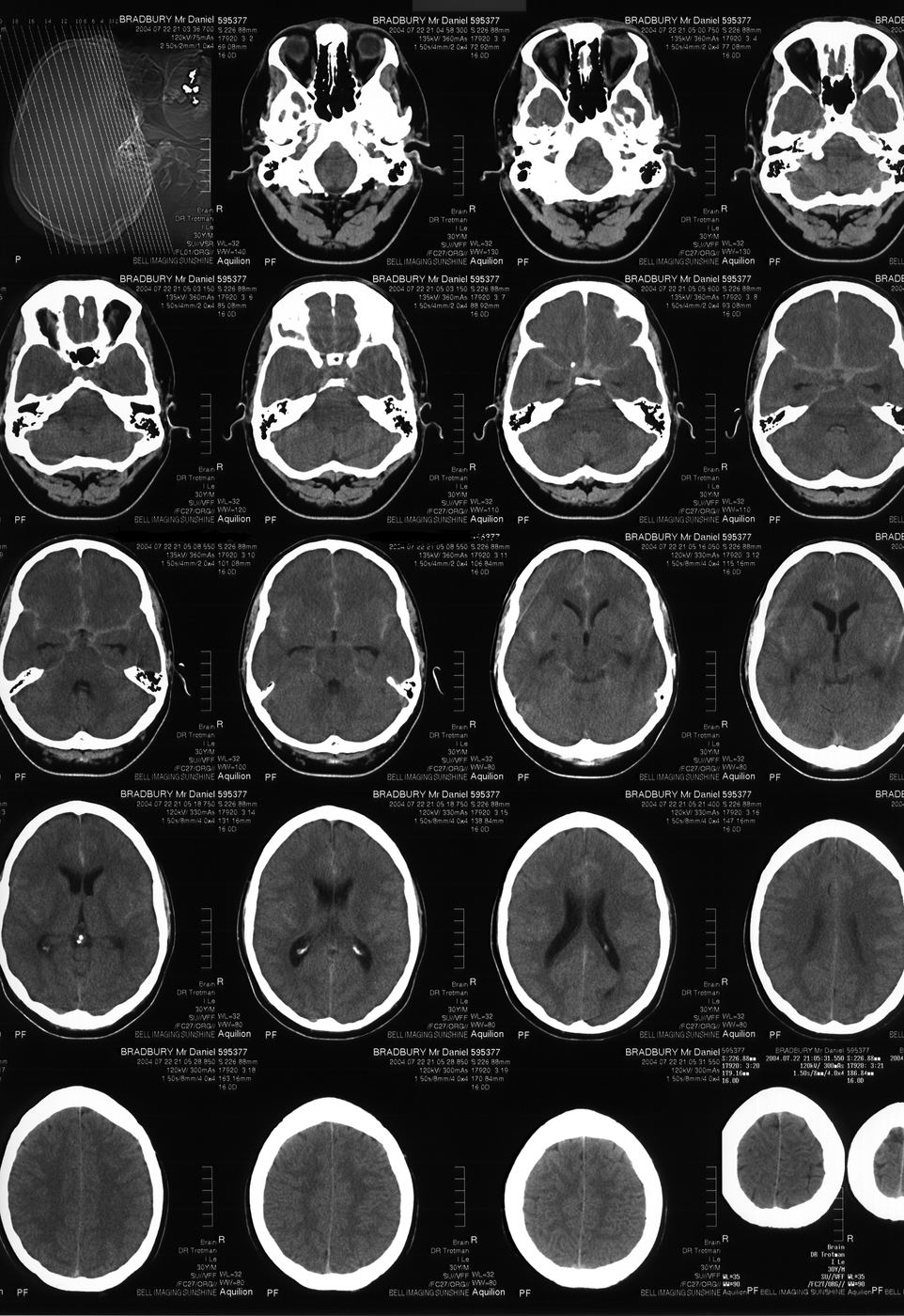 CT head
State two (2) abnormalities shown in the CT scan.
(Marked out of 2.0)
/ 2
List four (4) examination features that would indicate severe disease.
(Marked out of 4.0)
/ 4
On review, his headache pain score is 8/10 and he has received only 10 mg oxycodone. He has two large-bore IVs, full non-invasive monitoring, and is in a resuscitation cubicle. His observations are BP 220/100 mmHg, HR 90/min, temperature 36.8 C, oxygen saturation 99% on room air, and GCS 15. List three (3) key management steps over the next 30 minutes and state one point of detail for each.
(Marked out of 6.0)
| Management step |
Detail |
| 1. |
|
| 2. |
|
| 3. |
|
/ 6
Total Score: 0 / 12
Percentage: 0%
Comments are closed for this SAQ.